


 By Guest - August 17, 2026
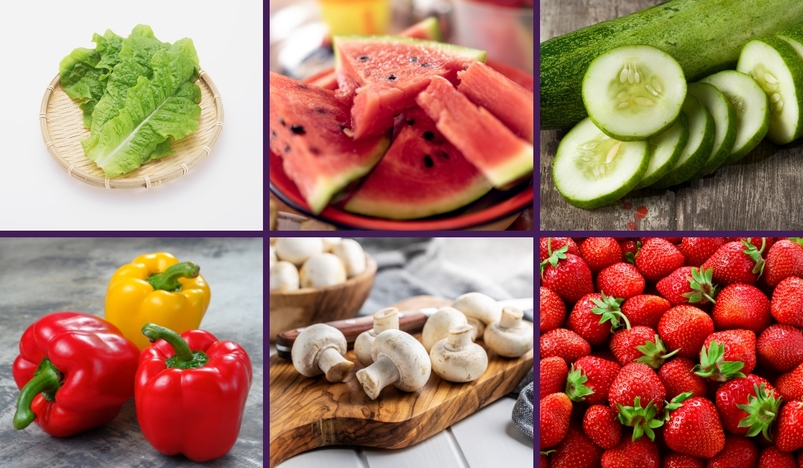
Some foods deliver plenty of flavour, texture, and nutrition while contributing barely any energy. The reason is simple: they are largely water and fibre, both of which add bulk and help you feel full without adding many calories. These are the foods nutritionists often suggest filling half the plate with — not because they are ‘magic,’ but because they let you eat generously while getting vitamins, minerals, and hydration. The figures below are approximate, per 100 grams (about a large handful), based on standard USDA-style nutrition data.
A note on balance: ‘low-calorie’ does not mean ‘eat only these.’ A healthy diet also needs adequate protein, healthy fats, and whole grains, which these foods don’t provide. Think of them as something to add to meals, not as a way to eat less overall. Calorie counts shift with how a food is prepared — a dressing, oil, or sauce can add far more than the vegetable itself. This is general information, not personalised dietary advice.
Vegetables
Cucumber — ~15 kcal / 100g. Around 95% water; refreshing and hydrating, ideal in salads, infused water, or as a base for dips.
Lettuce — ~15 kcal / 100g. Crisp leafy green rich in vitamins A and K; the backbone of salads, wraps, and sandwiches.
Celery — ~16 kcal / 100g. High water and fibre with a satisfying crunch; good raw with a protein-rich dip, or in soups and stir-fries.
Radish — ~16 kcal / 100g. Peppery and crunchy, with vitamin C and potassium; great sliced into salads or eaten whole.
Courgette (zucchini) — ~17 kcal / 100g. Mild and versatile; can be spiralised into ‘noodles,’ grilled, or roasted.
Tomato — ~18 kcal / 100g. Rich in vitamin C and the antioxidant lycopene; a low-calorie way to add flavour to almost any dish.
Asparagus — ~20 kcal / 100g. A good source of folate and fibre; delicious steamed, grilled, or roasted.
Bell pepper — ~20 kcal / 100g. Sweet and colourful, packed with vitamin C; excellent raw, roasted, or stuffed.
White mushrooms — ~22 kcal / 100g. Savoury and meaty in texture; add depth to dishes for very little energy.
Spinach — ~23 kcal / 100g. Nutrient-dense leafy green high in iron, folate, and fibre; wilts down easily into cooked dishes.
Cabbage — ~25 kcal / 100g. Water-rich and full of vitamins C and K; works raw in slaws or cooked in soups and stir-fries.
Cauliflower — ~25 kcal / 100g. Versatile and filling; can stand in for rice, mash, or pizza base while staying light.
Broccoli — ~34 kcal / 100g. A little higher, but rich in fibre, vitamin C, and antioxidants; a nutritious, filling staple.
Fruits
Watermelon — ~30 kcal / 100g. About 92% water; sweet, hydrating, and a good source of vitamins A and C.
Strawberries — ~32 kcal / 100g. Naturally sweet and rich in vitamin C and antioxidants, for very few calories.
And the lightest of all
Below even these sit water-rich basics such as clear vegetable or bone broths, plain tea and coffee, and infused water — essentially calorie-free ways to add warmth, flavour, or volume to a meal. It’s worth ignoring the popular myth of ‘negative-calorie’ foods: while chewing and digesting uses a little energy, no ordinary food burns more calories than it provides. The real value of these foods is that they let you eat a satisfying amount while keeping the overall total modest — and, just as importantly, deliver fibre, vitamins, and water your body needs.
Calorie values are approximate, per 100g, based on USDA-style nutrition data. General information only, not a substitute for advice from a doctor or registered dietitian.

_07-54-2026_12-54.jpg)
.png)
.jpg)
.jpg)

_20-08-2026_05-08.jpg)
_27-51-2026_11-51.png)
_27-43-2026_12-43.png)



.jpg)
.jpg)




.jpg)


.jpg)
.png)
.jpg)













Leave a comment